








Creating a home office that is both cozy and functional can greatly enhance your productivity and overall work experience. Whether you work remotely full-time or need a dedicated space for occasional projects, designing an area that welcomes you and supports your tasks is essential. In this post, we’ll explore practical tips to help you create a home office that combines comfort, style, and efficiency.
Why a Cozy and Functional Home Office Matters
A well-designed workspace can influence your mood, focus, and productivity. A cozy environment helps reduce stress, while a functional setup ensures you have everything you need to work efficiently. Balancing these elements creates a harmonious space where work feels less like a chore and more like an enjoyable part of your day.
Choosing the Right Location
Find a Quiet Spot
Select a part of your home with minimal distractions. If possible, avoid high-traffic areas to help maintain focus. A room with a door is ideal for privacy, but if that’s not available, consider using room dividers or screens.
Consider Natural Light
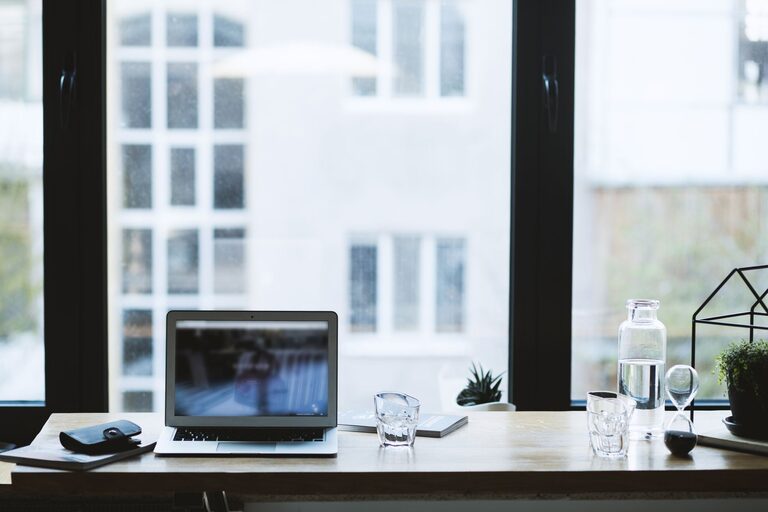
Natural light improves mood and can reduce eye strain. Position your desk near a window to maximize daylight, but keep glare in check with blinds or curtains.
Furnishing Your Home Office
Invest in an Ergonomic Chair
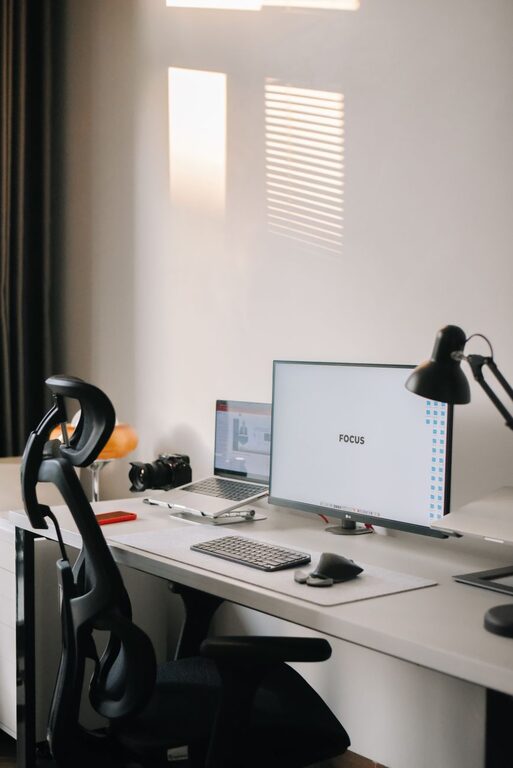
Comfortable seating supports your posture and prevents discomfort during long hours of work. Choose a chair that adjusts to your height and offers lumbar support.
Choose a Suitable Desk
Pick a desk that fits your space and work needs. Consider options with enough surface area for your computer, notebooks, and other essentials. Standing desks or adjustable desks are great for mixing sitting and standing throughout the day.
Add Storage Solutions
Keep your workspace tidy by incorporating storage options like shelves, filing cabinets, or desk organizers. Organized spaces help reduce clutter and keep important items within reach.
Creating a Cozy Ambiance
Use Warm Lighting
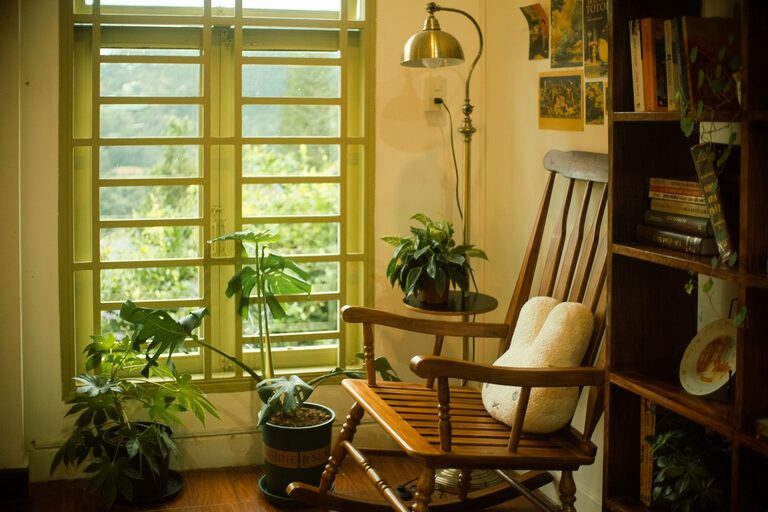
Combine natural light with warm, soft lighting to create a welcoming atmosphere. Desk lamps or floor lamps with adjustable brightness can reduce eye strain and set a comfortable mood.
Incorporate Personal Touches
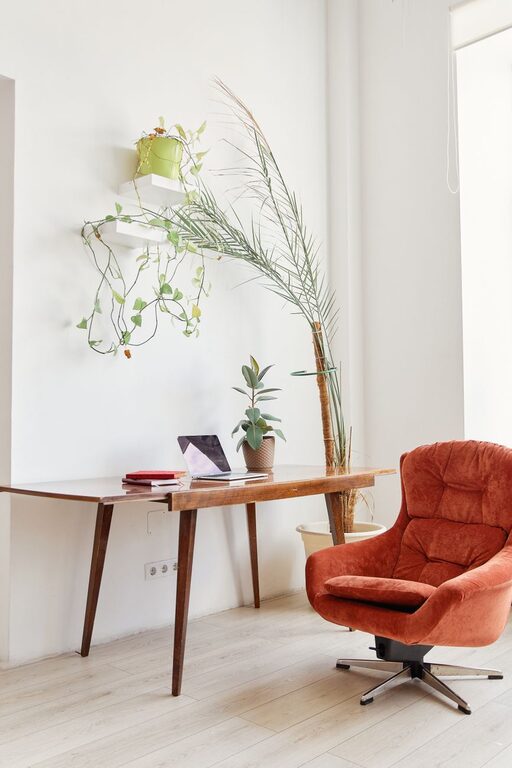
Add elements that reflect your personality and make the space inviting. This could be artwork, plants, photos, or decorative objects that inspire you.
Choose Soothing Colors
Soft, neutral tones or calming colors like blues and greens promote relaxation and focus. Avoid overly bright or distracting hues that might make concentrating harder.
Enhancing Functionality
Set Up Efficient Tech
Ensure your internet connection is reliable and that your computer, printer, and other devices are well-organized. Use cable management tools to keep cords tidy.
Utilize a Whiteboard or Bulletin Board
Visual tools help keep track of deadlines, ideas, and daily tasks. Mount a board where it’s easy to see and update regularly.
Arrange for Proper Ventilation
A fresh environment helps maintain energy and focus. Open windows when possible or use a fan or air purifier to improve air quality.
Organizing Your Routine
Designate Work Hours
Create boundaries by setting specific work hours, helping separate professional time from personal life even when working from home.
Take Breaks
Plan short breaks to stretch, hydrate, or rest your eyes. This keeps your mind fresh and reduces fatigue.
Maintaining Your Home Office
Regularly Declutter
Schedule weekly or monthly cleanups to remove unnecessary items and keep surfaces clear.
Update Your Space
Refresh your decor or rearrange furniture occasionally to keep the environment engaging and prevent stagnation.
—
Creating a home office that is inviting and practical doesn’t require a complete overhaul. By focusing on comfort, function, and personal touches, you can build a space that motivates you and supports your work goals. Start with these tips to design a home office where productivity and coziness go hand in hand.